Latin America strengthens its commitment to the Voluntary Principles
Regional coordination among working groups in Colombia, Peru and Chile moves forward. A Latin American network taking shape to strengthen human rights in business contexts.
By FEi Team
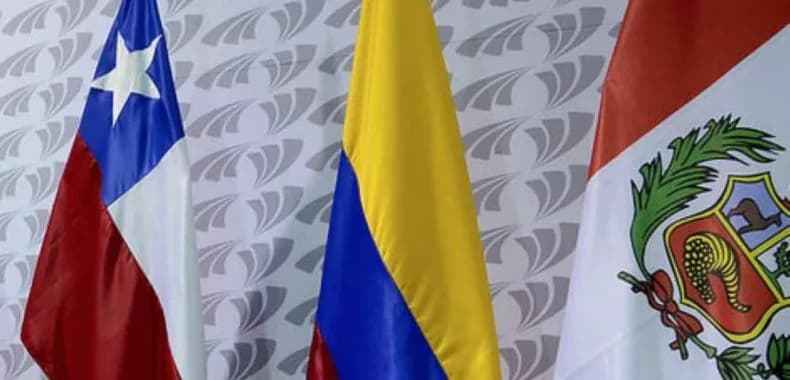
A regional network taking shape
June 2025 has been a key month for the progress of the Voluntary Principles on Security and Human Rights (VPs) in Latin America. Several Working Groups in the region, in Colombia, Peru and Chile, have held a series of exchange and coordination meetings that mark a milestone in building a shared agenda grounded in respect for human rights in complex business contexts.
The VPs, established in 2000, are an international initiative that guides companies, especially in the extractive sector, in managing public and private security from a human rights perspective. Although they are not binding, their adoption has been recognised by multilateral bodies and they are today a widely applied standard in territories of high social and environmental sensitivity.
Three countries, one vision
In recent weeks, bilateral meetings were held between the Working Groups of Lima, Cusco, Bogotá and Santiago, where lessons, challenges and good practices were shared. These meetings made it possible to identify synergies and plan joint actions towards a Latin American network that strengthens the effective implementation of the VPs.
In Colombia’s case, the Mining and Energy Committee (Comité Minero Energético, CME) presented its more than two decades of experience as a multi-stakeholder platform, with a formal structure that brings together companies, civil society, academia, embassies and international organisations.
“Our approach is preventive, collaborative and aimed at strengthening respect for human rights across the entire value chain of the mining and energy sector.”
Luz Stella Páez, Executive Director of the CME
From Peru, the Lima Working Group, coordinated by the NGO Desco, highlighted its focus on policy advocacy, training and dialogue: “We have spent 15 years promoting the VPs through a multi-stakeholder approach aligned with the UN Guiding Principles,” explained Molvina Zeballos.
The Cusco Working Group emphasised its territorial vision, centred on direct work with high Andean communities. “We do not replicate the Lima model; we work on the ground, gathering real demands and generating grassroots proposals,” said Lucio Quiñones.
Regional coordination as a strategic opportunity
One of the main points of consensus from these meetings is the need to strengthen regional cooperation. Creating spaces for ongoing exchange, developing common tools and organising joint events are among the next steps.
“We are building a Latin American platform to share lessons and move towards more responsible corporate governance, grounded in human rights.”
Venancio Coñuepan, Executive Director, FEi
Beyond the principles: a commitment to sustainable development
The Voluntary Principles are not just a technical tool. They represent an ethical and strategic commitment to development models that guarantee people’s security, respect for Indigenous peoples and the sustainability of investments.
In Latin America, where extractive industries operate in highly contentious settings, the consolidation of multi-stakeholder working groups such as those in Colombia, Peru and Chile is a significant step forward. They not only help reduce the risk of human rights violations, but also strengthen trust, transparency and social dialogue.
Keep reading
A bridge for Indigenous businesses in Chile and Brazil: the Foundation and Integrare explore how to work together
Indigenous leaders hold a dialogue with Canadian parliamentarians on Indigenous-led economic development