A global network for Indigenous certification: the Foundation joins the GSDA as an Associate Member
Since October 16, the Chilean Indigenous business standard has had a place in the Global Supplier Diversity Alliance, the international network of organisations that certify businesses and connect them with large buyers. On that day the Foundation signed its affiliation agreement as an Associate Member.
By FEi Team
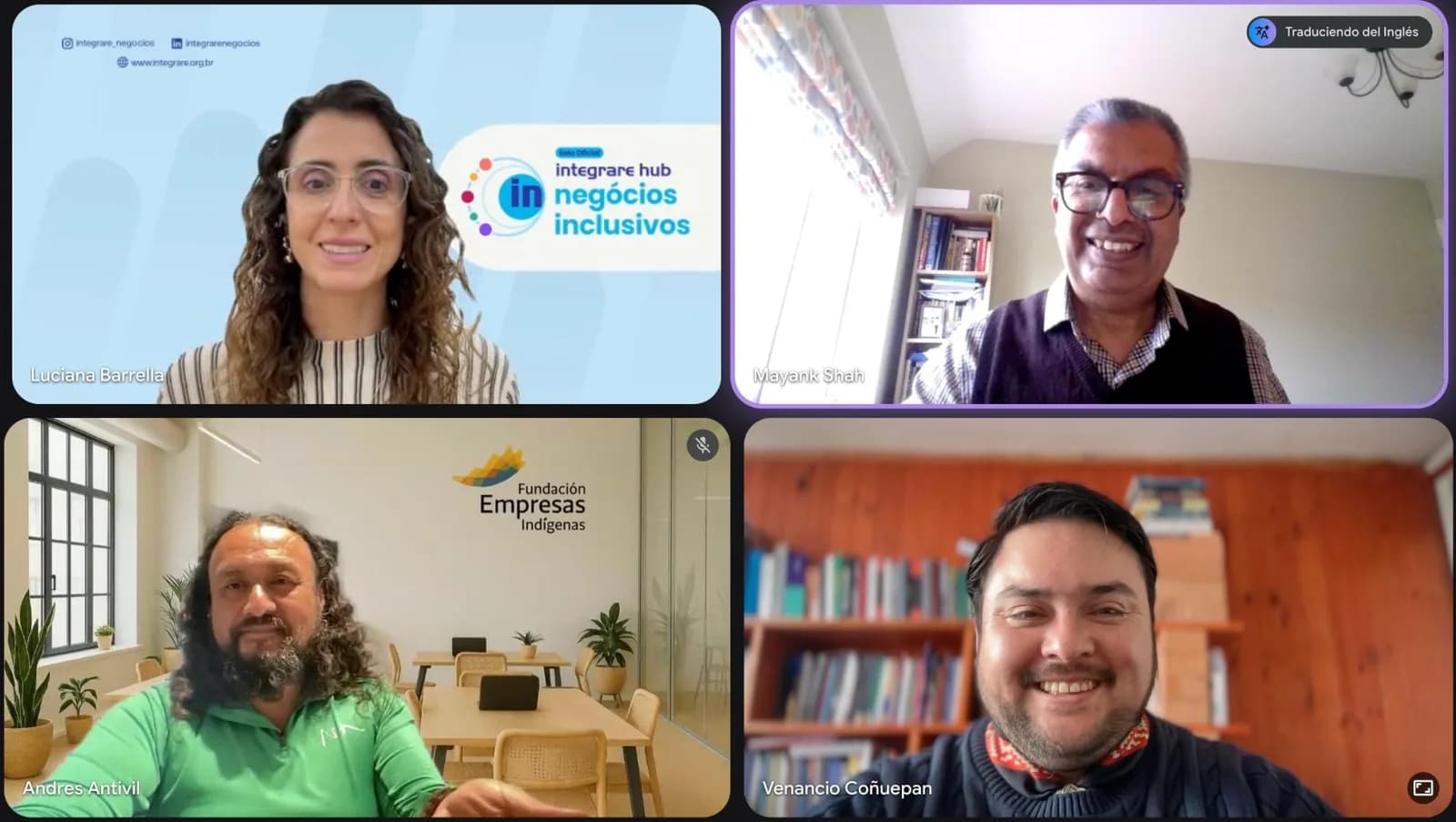
Since October 16, 2026, the Chilean Indigenous business standard has had a place in the international network of organisations that certify businesses and connect them with large buyers. On that day, the Indigenous Enterprises Foundation and the Global Supplier Diversity Alliance (GSDA) signed the Standards of Affiliation that make the Foundation an Associate Member of the alliance.
The Foundation’s President, Andrés Antivil Álvarez, and its Executive Director, Venancio Coñuepan Mesías, signed as its legal representatives, and Mayank Shah, Director, signed on behalf of the GSDA. The alliance brings together organisations from Australia, Canada, China, the United Kingdom and South Africa; in Australia, its member is Supply Nation, whose design inspired the Foundation’s Registry.
What it means, and what it does not
Affiliation does not award contracts, certify businesses or hand out preferences. No organisation in the alliance does that, and it is worth saying because it is the most common misunderstanding about this work. What it provides is comparability: the Indigenous Enterprise Seal’s standard was built by looking at what had already proven to work in other countries, and it can now be measured against them within the same network.
As an Associate Member, the Foundation can nominate a person to the GSDA Board and to its working groups, and take part in its members’ meetings with a voice but no vote. In return, it takes on the alliance’s standards on institutional governance, business certification and capacity building, and commits to taking part in its activities.
Taking the model, not the vocabulary
Several organisations in the alliance define the people they serve through demographic categories that the Foundation does not use, not even when citing them: Indigenous peoples are not a segment of the population, they are peoples with rights recognised in ILO Convention 169. The distinction is not one of sensitivity; it is a legal one.
For the same reason, the Foundation does not present its work as a corporate inclusion policy. For companies operating on Indigenous lands, buying from Indigenous suppliers is social risk management and part of their licence to operate. The frameworks that require it are IFC Performance Standard 7, the ICMM principles and the GRI 204 standard.
What Chile brings to the table
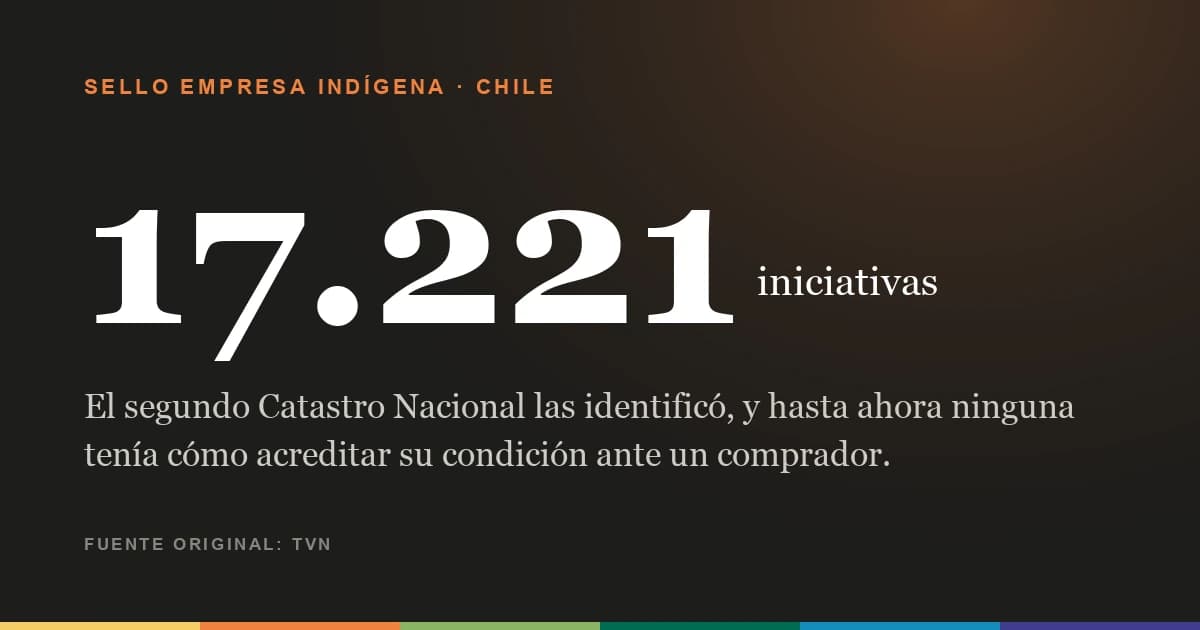
The Foundation arrives with a path built in Chile: the National Census, which in 2025 identified 17,221 Indigenous economic initiatives; the Directory of Indigenous businesses; and the Indigenous Enterprise Seal, the certification mark whose application for registration is under review by INAPI. The Seal requires at least 50% Indigenous ownership together with Indigenous management and control, and it verifies those facts with documents requested by the owners themselves, without inferring anyone’s identity from the outside.
What comes next is putting the network to use: sharing with the other members how the Chilean standard was built, learning from the practices they have already tested, and opening contact for Indigenous businesses in Chile with organisations that work with buyers in several countries, starting with Latin America.
Keep reading
A bridge for Indigenous businesses in Chile and Brazil: the Foundation and Integrare explore how to work together
Indigenous leaders hold a dialogue with Canadian parliamentarians on Indigenous-led economic development